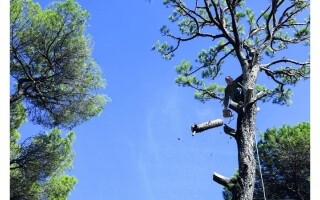
Most of Lebanon's pine forests were planted in the late 18th and early 19th centuries, and these old trees are still in their productive age. However, drought, irregular rainfall, and rising temperatures, caused by climate change, have made them more susceptible to pests. The forest of Bkassine contains about 100,000 productive pine trees, but according to the United Nations Food and Agriculture Organization (FAO), with declining productivity, the price of pine nuts has risen, and only a few Lebanese can now afford to buy them. The current selling price for one kilogram of pine nuts is now around $100, up from about $65 five years ago. In the heart of southern Lebanon, a crisis of drought is unfolding, threatening pine cones and the death of its historic trees, which were once majestic and abundant. These forests represented a lifeline for entire communities.Over the years, the pine nut harvest from the Bkassine forest has dwindled. Farmers initially attributed this to seasonal weather fluctuations, but in 2015, scientists confirmed what many had feared: an insect that feeds on the cones that produce the precious Lebanese pine had spread in the forest.Harvesting pine cones is hard work. Workers climb towering trees to collect cones stuck high up, using narrow ladders while balancing on thin branches, without the necessary safety equipment for such a dangerous task.