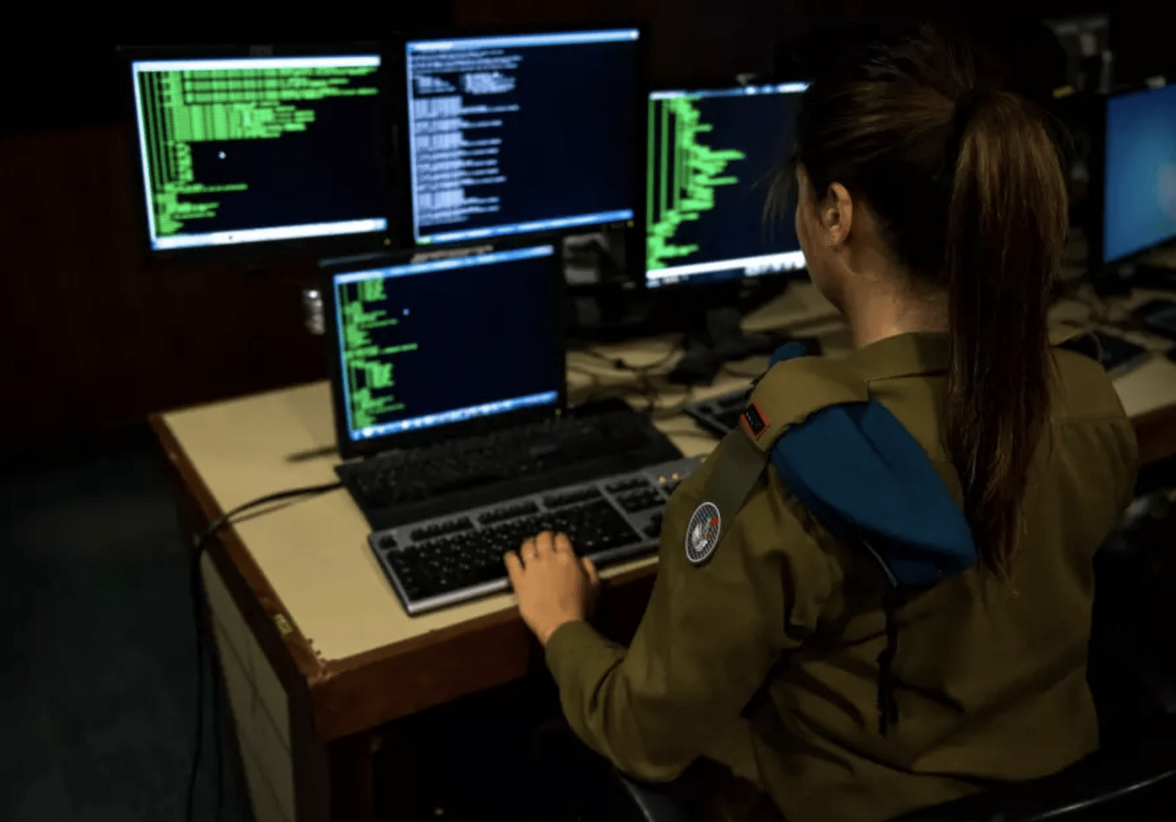
In a scene redefining modern warfare, battlefronts are no longer breached by artillery alone, but by computer networks and IP addresses. While leaders of the Lebanese Hezbollah were holding a meeting behind virtual screens, Israeli algorithms were converting their 'digital clicks' into coordinates for lethal strikes. This marked the story of falling into the 'digital footprint' trap, shifting the conflict from traditional military confrontation to hacking the organization's mind in just ten minutes. Media sources revealed the behind-the-scenes of the operation Israel carried out last Wednesday. Information suggests that the Mossad successfully hacked an online meeting (presumably via Zoom). The sources confirmed that this breach not only exposed the targeted leader's identity but also enabled intelligence to track the digital protocols (IP addresses) of 100 cadres and fighters participating in the meeting, simultaneously pinpointing their exact geographical locations. Ten Minutes that Shook LebanonIn an exceptional display of intelligence and aerial superiority, the Israeli army executed over 100 simultaneous strikes within just 10 minutes. The strikes covered a vast geographical triangle stretching from southern Beirut to the Bekaa Valley and reaching deep into southern Lebanon. The bombardment was not limited to traditional strongholds but expanded to areas in the heart of Beirut previously considered safe, such as Corniche Mazraa, Tel al-Hiyat, and Ain al-Mreisse, resulting in the deaths of approximately 300 people and injuring more than 1,500 others. From 'Hardware' to 'Software' HackingThis attack represents a qualitative shift in Israeli military doctrine. While the previous 'Pager' operation required months of physical manipulation of devices, the recent attack relied on hacking software and digital communications. This shift means that simply 'connecting to the network' has become a death sentence, where metadata is converted into combat coordinates that automatically and instantly feed drones and aircraft before the target can move. Return to the Dark AgesThese hacks place Hezbollah in a bitter strategic dilemma: 'going dark' by completely abandoning all digital communication means and reverting to primitive methods such as paper messengers and in-person meetings. This technical paralysis not only slows decision-making and erodes command and control but also plants 'organizational suspicion,' turning security caution into an obstacle that disrupts field effectiveness.